

Block Paving in Abingdon
First Class Driveways & Patios provides professional block paving in Abingdon for homeowners looking to improve parking, pathways and the overall appearance of their property frontage. With numerous blocks, colours, textures and laying patterns available, each driveway can be designed around the home.
Our block paving contractors manage the complete installation, including excavation, sub-base construction, drainage, edge restraints, cutting, jointing and final compaction. Whether you are replacing an old surface or creating additional parking, we can provide a paved driveway designed for regular use and lasting kerb appeal.
Get A Free Quote
Why Does Block Paving Remain A Popular Choice?
Block paving provides a combination of strength, design flexibility and long-term practicality. Individual paving blocks are laid in an interlocking arrangement over a carefully prepared foundation, creating a surface suitable for regular domestic vehicle traffic.
Customers can choose traditional rectangular blocks, aged or tumbled products and larger contemporary formats. Available colours include warm reds, brindle combinations, buff tones, charcoal and modern greys.
Contrasting blocks can define the perimeter, separate a pathway or create a feature across the driveway entrance. Paving can also be shaped around garden walls, steps, inspection covers, planting areas and irregular property boundaries.

Professional Block Paving Installations In Abingdon
The long-term performance of block paving depends heavily on the groundwork beneath the blocks. Inadequate excavation, weak edging and poor compaction can cause sinking, spreading and uneven areas.
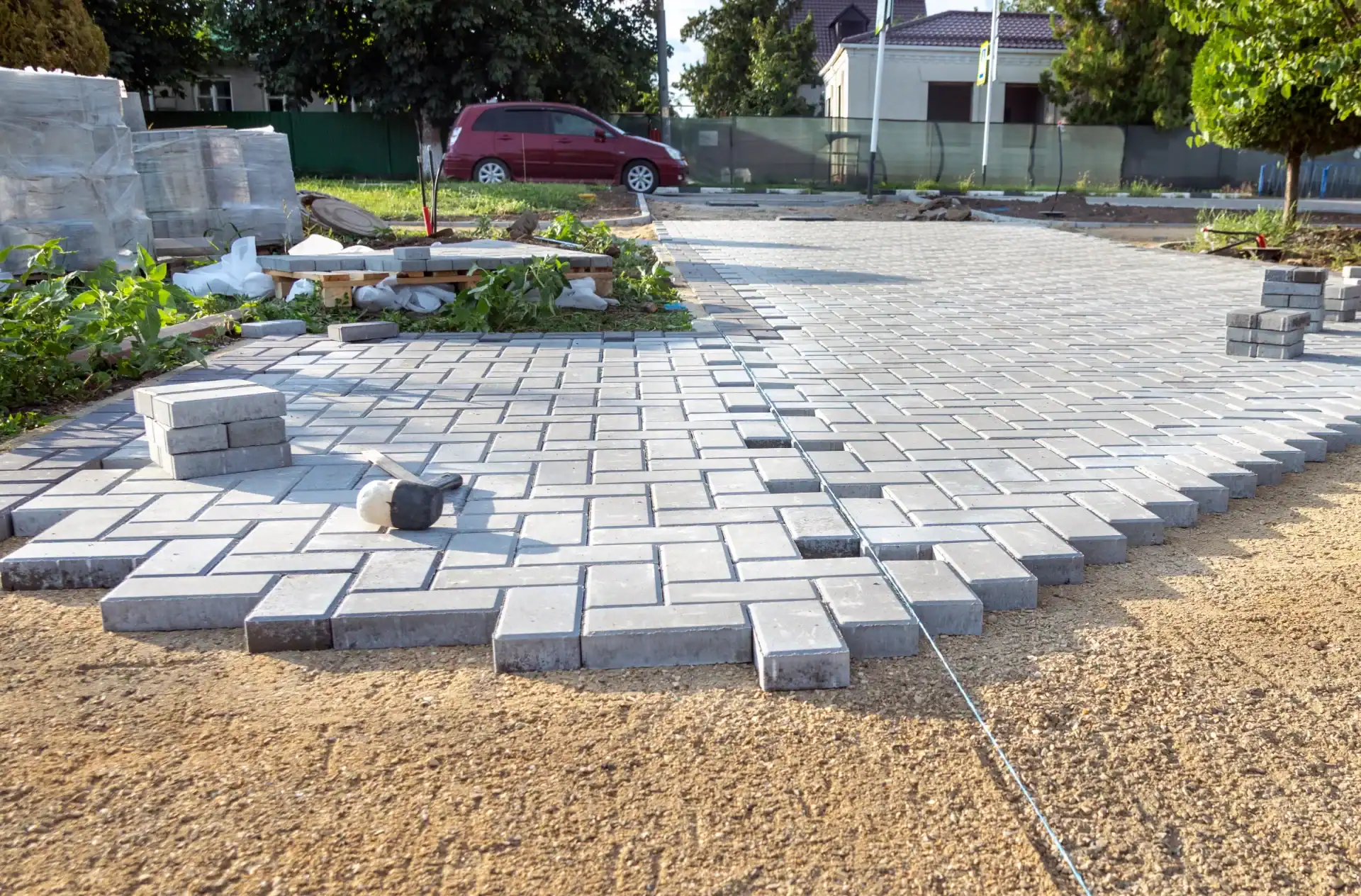
First Class Driveways & Patios removes unsuitable materials before constructing and compacting a stable sub-base. Edge restraints are installed to contain the paving, while the driveway levels are planned around property thresholds and drainage requirements.
A consistent laying course is prepared before the blocks are positioned in the agreed pattern. Accurate cutting is completed around edges, covers and drainage channels before kiln-dried jointing sand is applied and the finished surface is compacted.
Bespoke Block Paving Designs For Abingdon Homes
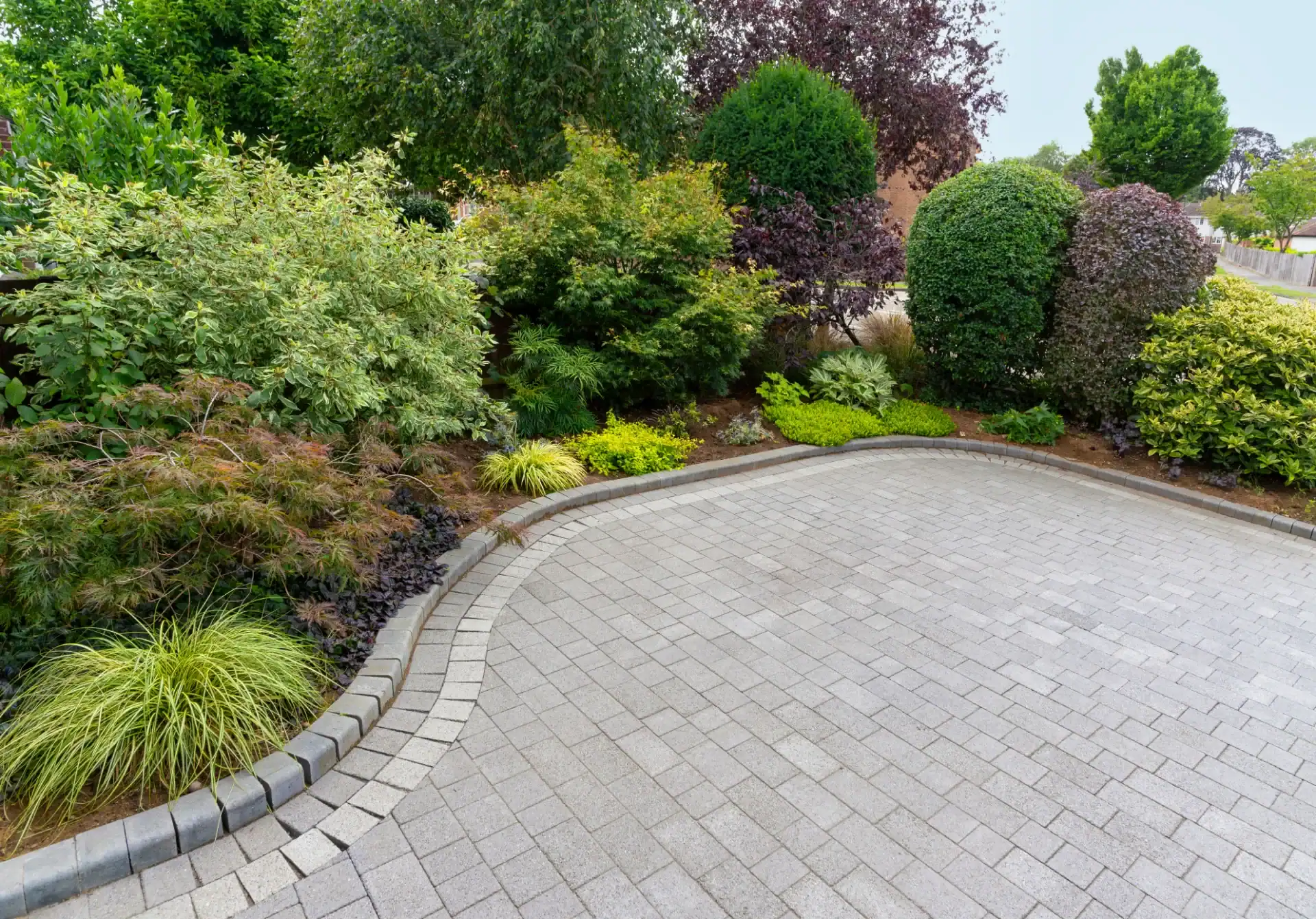
Block paving can complement the varied properties found across Abingdon. Tumbled blocks and warmer colours can suit older brick homes, while smooth grey paving and charcoal borders may complement newer properties and modern extensions.
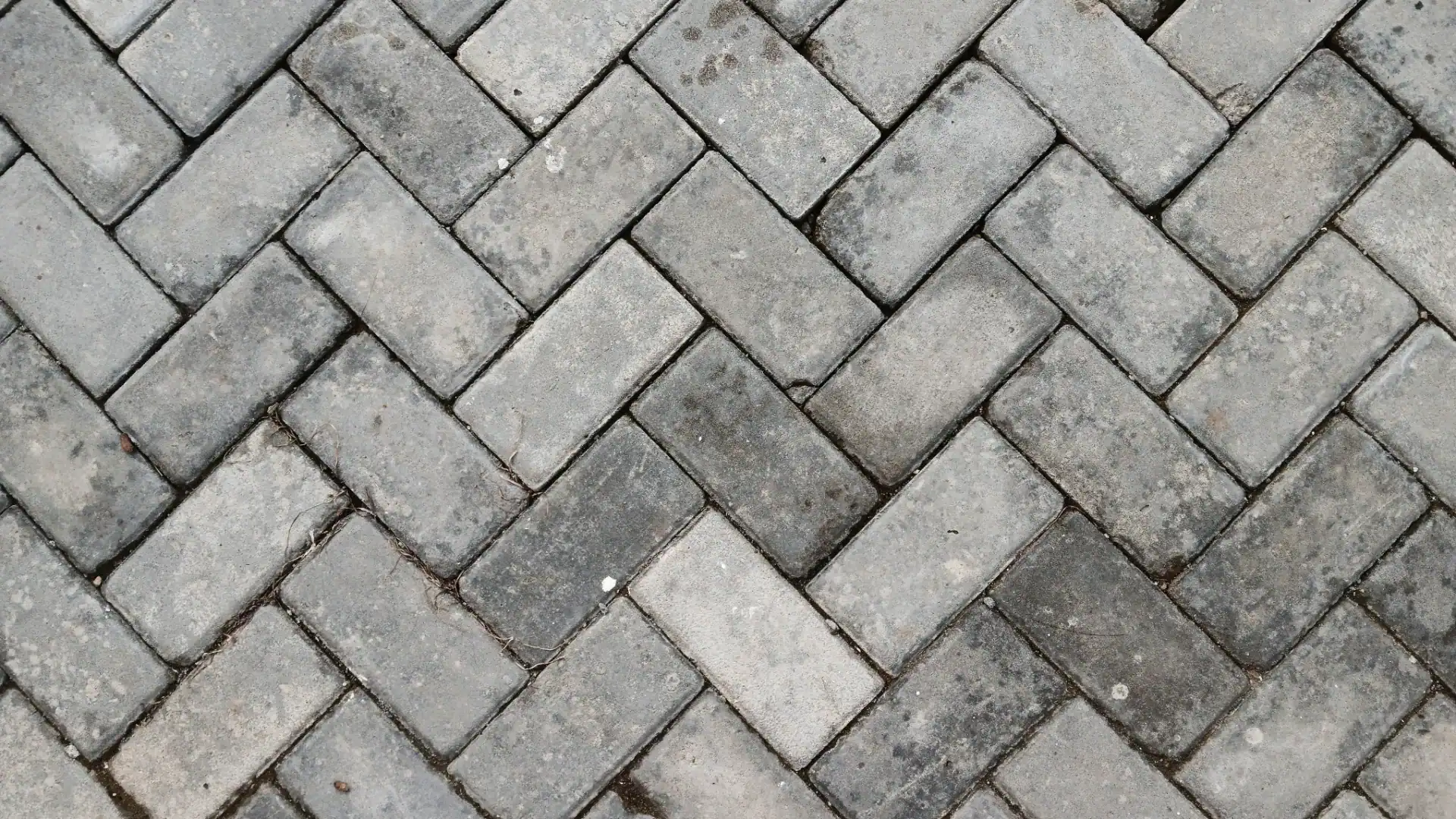
Herringbone patterns are commonly selected for vehicle areas because the interlocking layout performs well beneath turning and braking movements. Basketweave and stretcher bond patterns can be incorporated into pathways, borders or decorative sections.
Our team helps customers choose a balanced design that coordinates with the home, garage, walls and existing landscaping. The aim is to create a driveway that remains attractive when occupied by vehicles and does not rely on excessive colours or complicated detailing.
Why Choose First Class Driveways & Patios?
First Class Driveways & Patios has installed driveways since 1989. Our team understands that dependable block paving requires much more than arranging paving units over an existing surface.
We provide a coordinated service covering design, excavation, foundation construction, drainage, edging, laying and compaction. Customers also receive clear guidance about suitable block styles, patterns and borders.
By combining reliable groundwork with quality paving and careful finishing, we create driveways designed to provide long-term stability, convenient parking and an attractive entrance to Abingdon homes.
Get Your Free Block Paving Quote
If you are considering block paving in Abingdon, our team can provide a free property survey and no-obligation quotation. We will inspect the existing surface, measure the proposed area and discuss how the finished driveway needs to function.
You can compare block colours, patterns and border options while considering drainage, parking capacity, paths and garage access. Your quotation will reflect the complete preparation and paving installation required.
Contact First Class Driveways & Patios today to arrange your block paving survey and receive recommendations tailored to your home.
Frequently Asked Questions
Block paving offers extensive design choice, but dependable preparation remains essential. Below are answers to common questions about block paving in Abingdon.
Block paving is suitable for most residential driveways when installed over a properly prepared foundation. The interlocking blocks form a durable surface capable of supporting regular domestic vehicle traffic, while the variety of colours and patterns allows the design to complement different property styles. Herringbone patterns are commonly used for parking areas because they perform well beneath turning and braking movements. The driveway must also include suitable excavation, a compacted sub-base, secure edge restraints and planned drainage. Without these elements, the blocks may sink, spread or become uneven. First Class Driveways & Patios will inspect the property and recommend a design based on the available space, expected vehicle use and appearance of the surrounding home.
A professionally constructed block paved driveway can provide several decades of dependable use. Its lifespan depends on the quality of the excavation, sub-base, edge restraints, drainage and regular maintenance. The paving blocks themselves are durable, but movement can occur when the layers beneath them have not been properly compacted or water is allowed to weaken the foundation. Routine sweeping, suitable washing and replacement of lost jointing sand will help preserve the surface. Another advantage is that individual damaged or badly stained blocks can often be replaced without renewing the entire driveway. First Class Driveways & Patios places strong emphasis on groundwork because a carefully prepared foundation is essential to the long-term stability and appearance of block paving.
Block paving is relatively straightforward to maintain, although regular light care will help keep it looking tidy. Leaves, soil and seeds should be swept away before they settle into the joints. Most weeds do not grow upwards through the paving foundation. They begin when airborne seeds establish in soil and organic debris collected between the blocks. Occasional appropriate washing can remove general dirt, moss and surface growth. Very powerful pressure washing should be avoided because it can remove excessive jointing sand and reduce the stability of the paving. Kiln-dried sand should be replenished when required. Damaged blocks and localised sinking can often be repaired by lifting the affected section, correcting the supporting layers and reinstalling the paving.
Localised areas of sunken block paving can often be repaired without replacing the entire driveway. The affected blocks are lifted so the laying course and supporting foundation can be inspected. The cause of the movement should be identified before the paving is reinstalled. Poor compaction, leaking drainage, vehicle loading or weaknesses within the sub-base may need to be addressed to prevent the problem returning. Once the supporting layers have been repaired and levelled, the blocks can be replaced, jointed and compacted. Matching very old paving may become difficult because existing blocks naturally weather and change colour. Keeping several spare blocks after a new installation can therefore be useful for possible future repairs, alterations or access to underground utilities.